Before we talk about red light therapy, let’s clear up one of the biggest misconceptions floating around online right now:
Not all red light therapy is the same.
With red light therapy becoming more popular in salons, wellness centers, spas, and all over social media, there’s a lot of confusion about what actually works. One claim we hear often is that multiple sessions on a low-powered device can deliver the same results as one session on a higher-output therapeutic system.
It sounds reasonable… but scientifically, that’s simply not how red light therapy works.
Why Dose Matters in Red Light Therapy
When it comes to red light therapy, the real magic is in the dose—not just the amount of time spent under the lights.
In simple terms, effectiveness is measured by how much usable light energy actually reaches your tissue during a session. This is measured in joules per square centimeter (J/cm²).
That may sound technical, but here’s the easy version:
Time alone does not equal results.
A 20-minute session on one device is not automatically the same as 20 minutes on another. What matters is how much therapeutic light energy your cells actually absorb during that time.
And this is where red light systems vary dramatically.
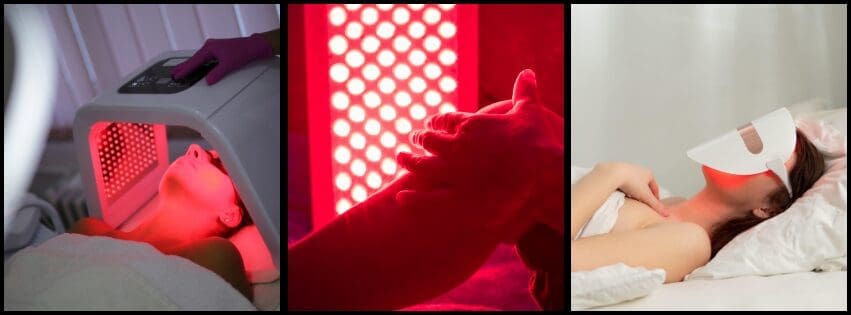
Many budget-friendly at-home masks and handheld devices typically deliver around 1–3 joules per session under ideal conditions. Traditional fluorescent red light beds often found in salon environments generally deliver approximately 5–10 joules per session.
By comparison, true therapeutic-grade red and near-infrared systems are often designed to deliver 25–40 joules per session—a range commonly associated with deeper biological responses documented in research.
That difference matters.
Think of it like watering a garden: standing outside in a light drizzle for an hour is very different than giving plants the deep watering they actually need to thrive.
More time with lower output doesn’t automatically create the same result as receiving an effective therapeutic dose from the start.
What’s Really Happening at the Cellular Level?
Red and near-infrared light therapy works through a process called photobiomodulation—a fancy word for how specific wavelengths of light interact with your cells to create a measurable biological response.
When therapeutic red and near-infrared light reaches the body, it is absorbed by the mitochondria, often called the “powerhouse” of the cell. These mitochondria are responsible for producing ATP (cellular energy), which fuels repair, recovery, and healthy cellular function.
When enough light energy is delivered, your body can begin supporting things like:
- Collagen production and skin rejuvenation
- Muscle recovery and joint support
- Circulation and inflammation response
- Cellular repair and overall wellness support
But here’s the key:
Your cells need enough energy in a single session to activate deeper biological processes.
Without an adequate dose, the light may still feel relaxing or support mild surface-level benefits, but the deeper biological response can remain limited.
Why the Difference Matters
Lower-output red light isn’t necessarily ineffective—it simply serves a different purpose.
At lower doses, benefits are often more surface-level and may include:
✔ Skin appearance support
✔ Mild circulation benefits
✔ Relaxation
✔ Gentle wellness maintenance
But when systems deliver doses in the 25–40 joule range, research shows activation of deeper cellular processes associated with:
✔ Increased cellular energy (ATP production)
✔ Collagen support and skin rejuvenation
✔ Recovery and performance support
✔ Inflammation response and joint comfort
✔ Muscle recovery and tissue repair
The important thing to understand is this:
Your body responds to the dose received in a single session.
The body does not store unused light energy for later. That means multiple lower-dose sessions spaced throughout the week do not recreate the same biological response as one properly dosed therapeutic session.
In other words, three sessions delivering 10 joules do not necessarily equal one session delivering 30 joules because red light therapy works on what’s known as a dose-response curve. Once a therapeutic threshold is reached, different cellular mechanisms begin to activate.
Not All Red Light Devices Are Created Equal
There’s nothing “wrong” with lower-powered red light systems or at-home devices—as long as expectations are realistic.
The challenge comes when every red light device is marketed as if it performs the same way.
Technology, power output, wavelength delivery, system engineering, heat management, and distance from the body all affect results. Some systems simply cannot deliver therapeutic levels of energy, no matter how frequently they are used.
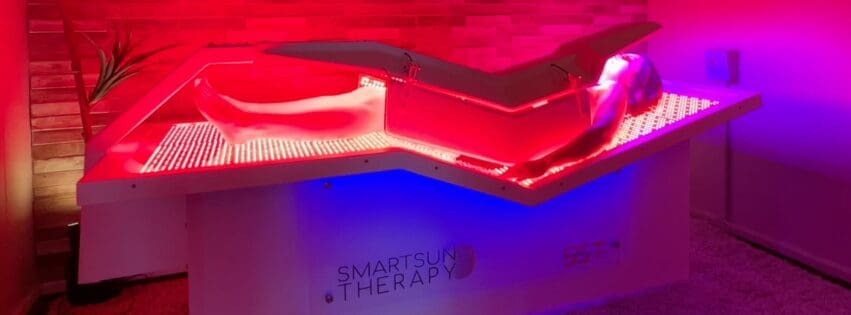
That’s why at SolShine, we intentionally invested in what we believe is one of the most advanced red light therapy systems available today: the SmartSun SST28.
Unlike basic fluorescent beds or lower-output wellness devices, the SmartSun SST28 was designed to deliver a more powerful therapeutic experience using advanced red and near-infrared technology to support both cosmetic and deeper wellness goals.
For clients looking for more than just a relaxing light session, the difference in technology matters.
Why We Chose the SmartSun SST28
At SolShine in Malvern, PA, we don’t bring in equipment because it’s trendy—we bring in services that we genuinely believe can help people look and feel their best.
The SmartSun SST28 stood out to us because it represents the next generation of red and infrared light therapy: advanced technology, stronger performance, and a more complete wellness experience.
Whether someone is focused on skin rejuvenation, recovery, inflammation support, overall wellness, or simply feeling better in their body, we wanted to offer a system that goes beyond the basics.
Because when it comes to red light therapy, more sessions on a weaker system doesn’t equate to better results. The right technology—and the right dose—matter.
As red light therapy continues to grow in popularity, education matters more than hype. Our goal will always be helping clients understand what they’re using, what results are realistic, and why not all red light experiences are created equal.
Want to experience the difference for yourself? Stop in at SolShine Tanning & Wellness in Malvern, PA and ask us about the SmartSun SST28 and how red light therapy may support your wellness goals.
A quick note: Red light therapy is a wellness service intended to support the body’s natural processes. We always recommend consistency and realistic expectations for best results. Results vary from person to person and are not intended to diagnose, treat, cure, or prevent medical conditions.